
What’s the Difference Between Microdermabrasion and a Peel?
When it comes to skincare treatments, microdermabrasion and chemical peels are two popular options that promise to rejuvenate your skin and give you a fresh, glowing complexion. However, many people are unsure about the difference between the two and which one is right for their skin. In this blog, we’ll compare microdermabrasion and chemical peels, discussing how each treatment works, the benefits, and which one might be best for your skin concerns.

1. What is Microdermabrasion?
Microdermabrasion is a non-invasive exfoliation treatment that helps to remove dead skin cells and promote healthier, more vibrant skin. The treatment involves a machine that gently sprays tiny crystals onto the skin’s surface, while a vacuum suction simultaneously removes the crystals along with dead skin.
- How It Works: The machine used in microdermabrasion sands the skin, removing the outermost layer of dead skin cells. This process stimulates collagen production and encourages the skin to regenerate.
- Benefits: The primary benefits of microdermabrasion include improving skin texture, reducing fine lines, and treating acne scars. It is a great treatment for those looking to achieve smoother, brighter skin without downtime.
- Suitable For: Microdermabrasion is ideal for those with mild skin concerns, such as uneven skin texture, dullness, and minor acne scarring. It’s also perfect for those looking to maintain a youthful, fresh complexion with minimal risk.
2. What is a Chemical Peel?
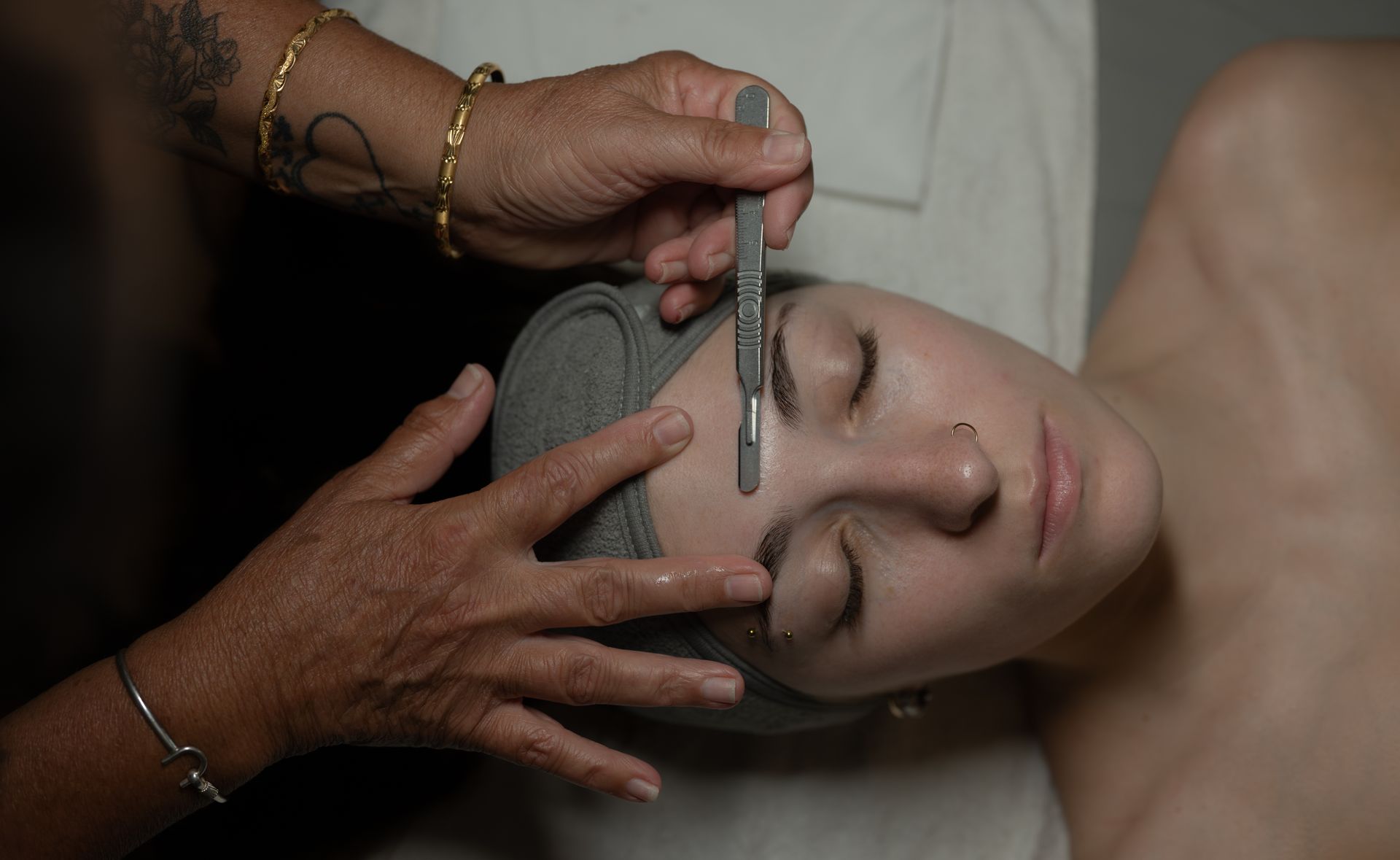
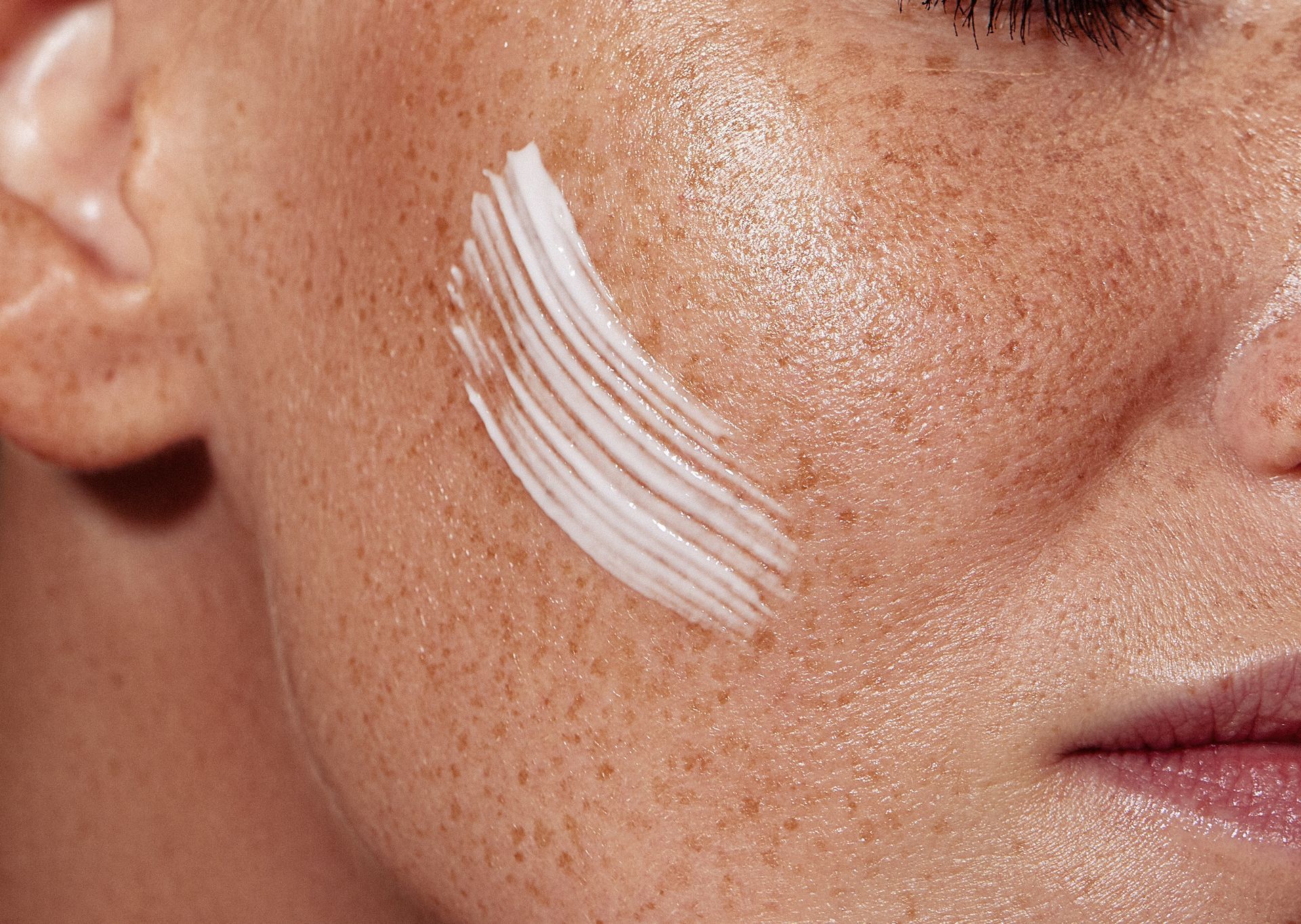
A chemical peel is a more intensive exfoliation treatment that uses a chemical solution to remove the outer layer of skin, allowing new skin to form underneath. The solution is applied directly to the skin and left on for a specific amount of time before being neutralized or washed off.
- How It Works: The chemical peel solution (which can vary in strength) penetrates the skin and causes controlled damage to the outer layers. As the skin heals, fresh, new skin replaces the old, revealing a smoother, more even tone.
- Benefits: Chemical peels can target deeper skin concerns, such as hyperpigmentation, wrinkles, and acne. They also help with sun damage, age spots, and uneven skin tone.
- Suitable For: Chemical peels are ideal for individuals with moderate to severe skin concerns, including stubborn acne, deep wrinkles, or significant hyperpigmentation. The strength of the peel can be customized to suit different skin types and concerns.
3. Key Differences Between Microdermabrasion and Chemical Peels
While both microdermabrasion and chemical peels aim to exfoliate and rejuvenate the skin, there are some key differences between the two treatments.
- Depth of Treatment: Microdermabrasion is a superficial exfoliation, working on the outermost layer of the skin. It is non-invasive and requires no downtime. On the other hand, a chemical peel penetrates deeper into the skin, addressing more significant skin concerns like wrinkles and discoloration. Depending on the strength of the peel, some downtime may be required.
- Suitable Skin Types: Microdermabrasion is generally safe for all skin types, including sensitive skin. Chemical peels, however, vary in strength, and certain types may not be suitable for sensitive or darker skin tones due to the risk of pigmentation changes.
- Recovery Time: Microdermabrasion has minimal recovery time, with most clients able to return to their normal activities immediately. In contrast, chemical peels may require a few days of downtime, depending on the depth of the treatment, as your skin may peel and feel sensitive.
- Results: Microdermabrasion provides immediate results in terms of smoother, brighter skin, but the results may be more subtle compared to a chemical peel. Chemical peels often deliver more dramatic results, especially for those with deeper skin issues like wrinkles, sun damage, and acne scars.
4. Which Treatment is Right for You?
Choosing between microdermabrasion and a chemical peel depends on your skin type, concerns, and goals. If you’re looking for a non-invasive, quick treatment to improve skin texture and brightness with no downtime, microdermabrasion may be the right option for you.
However, if you have deeper skin concerns like acne scars, hyperpigmentation, or aging skin, a chemical peel may be the better choice to achieve more significant and long-lasting results.
It’s always best to consult with a skincare professional who can assess your skin’s unique needs and recommend the most suitable treatment for you.
5. Aftercare for Microdermabrasion and Chemical Peels
After undergoing microdermabrasion or a chemical peel, it’s important to follow proper aftercare to ensure the best results and protect your skin.
- For Microdermabrasion: Keep your skin hydrated and wear sunscreen regularly, as your skin may be more sensitive to the sun. Avoid using harsh exfoliating products for a few days after treatment.
- For Chemical Peels: After a chemical peel, your skin may peel and feel sensitive for several days. Moisturize regularly and avoid sun exposure. For deeper peels, you may need to follow more specific post-treatment care instructions provided by your skincare professional.
Proper aftercare is essential for both treatments to maximize results and prevent irritation or damage.
Conclusion
Both microdermabrasion and chemical peels are effective treatments for rejuvenating your skin, but they differ in terms of the depth of treatment, recovery time, and the specific skin concerns they address. Whether you’re looking for a quick refresh or a more intensive solution to your skin issues, it’s important to choose the right treatment for your needs.
At Pure Day Spa, we offer both microdermabrasion and chemical peel treatments to help you achieve your skincare goals. Contact us today to schedule a consultation and learn which treatment is right for you.


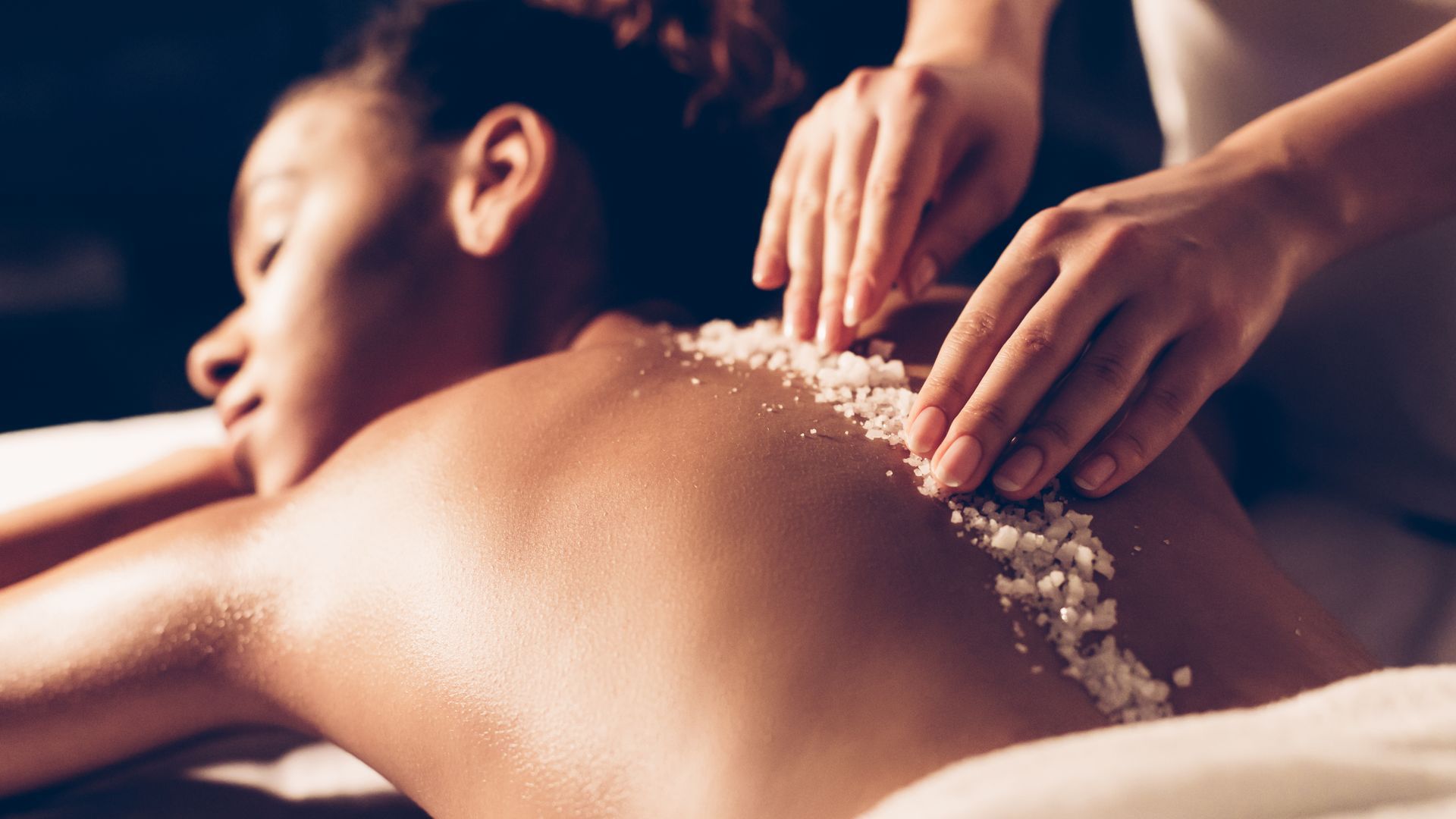
Exfoliating Salt Glows vs. Sugar Scrubs: Choosing the Softest Polish Framework for Your Skin Texture